Nuclease in Bioprocessing and Downstream Processing
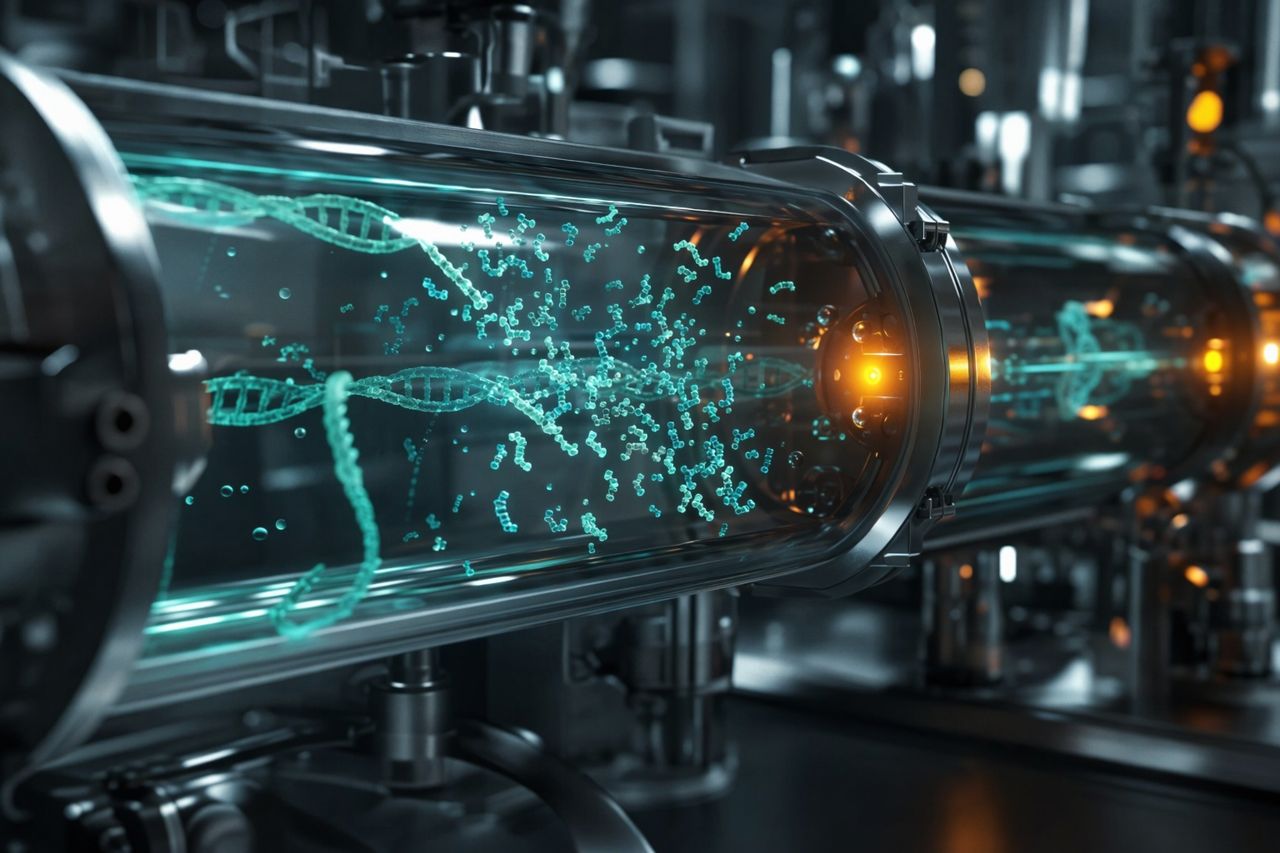
Residual DNA and RNA can turn a workable biological process stream into a difficult one. Released nucleic acids increase viscosity, slow clarification, load filters, and complicate downstream purification behavior.
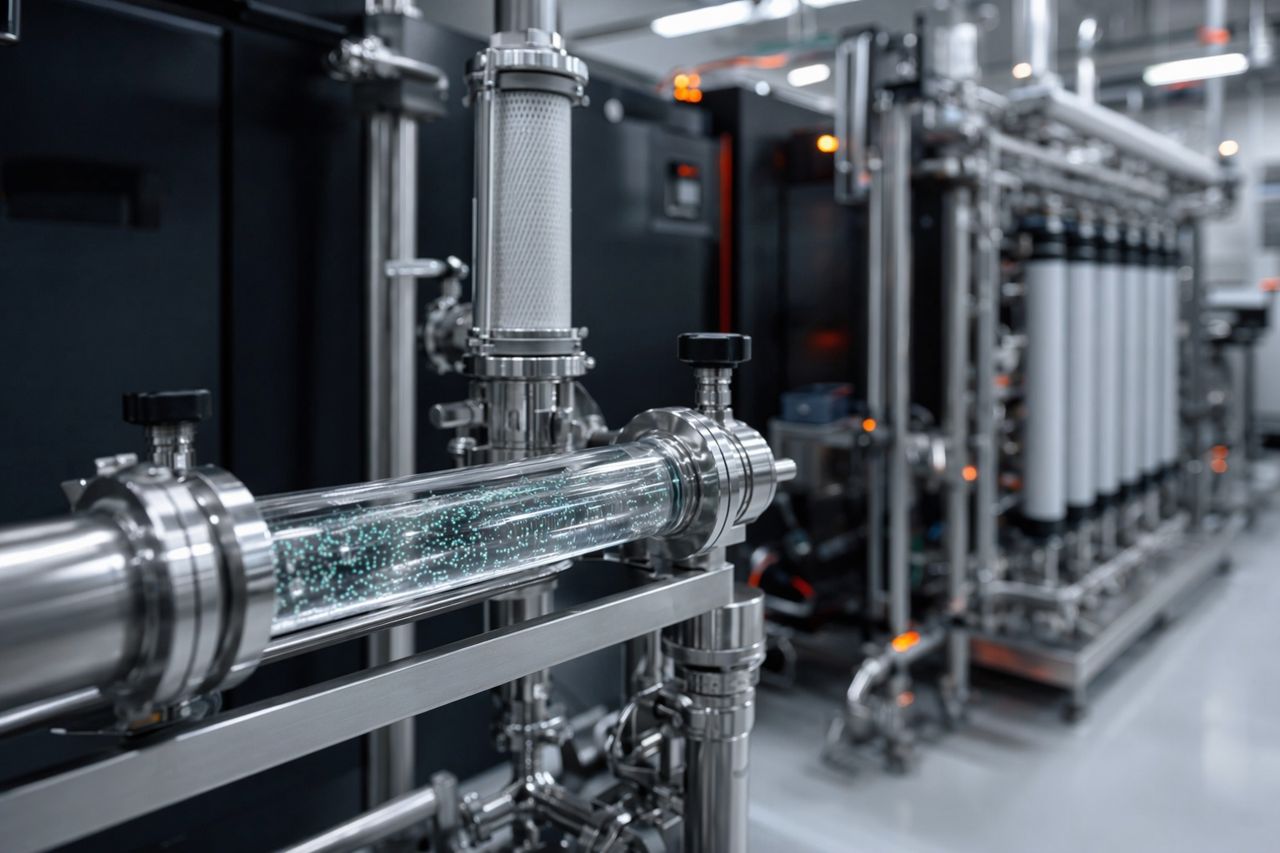
Nuclease is specified for controlled degradation of DNA and RNA in bioprocessing workflows where process clarity, manageable fluid behavior, and downstream compatibility matter.
Wholesale and bulk nuclease for bioprocess and downstream teams. Request a quote with the process stream, the quantity and the delivery country. Grade, pack size, price and lead time are quoted per order.
What nuclease does in the process stream
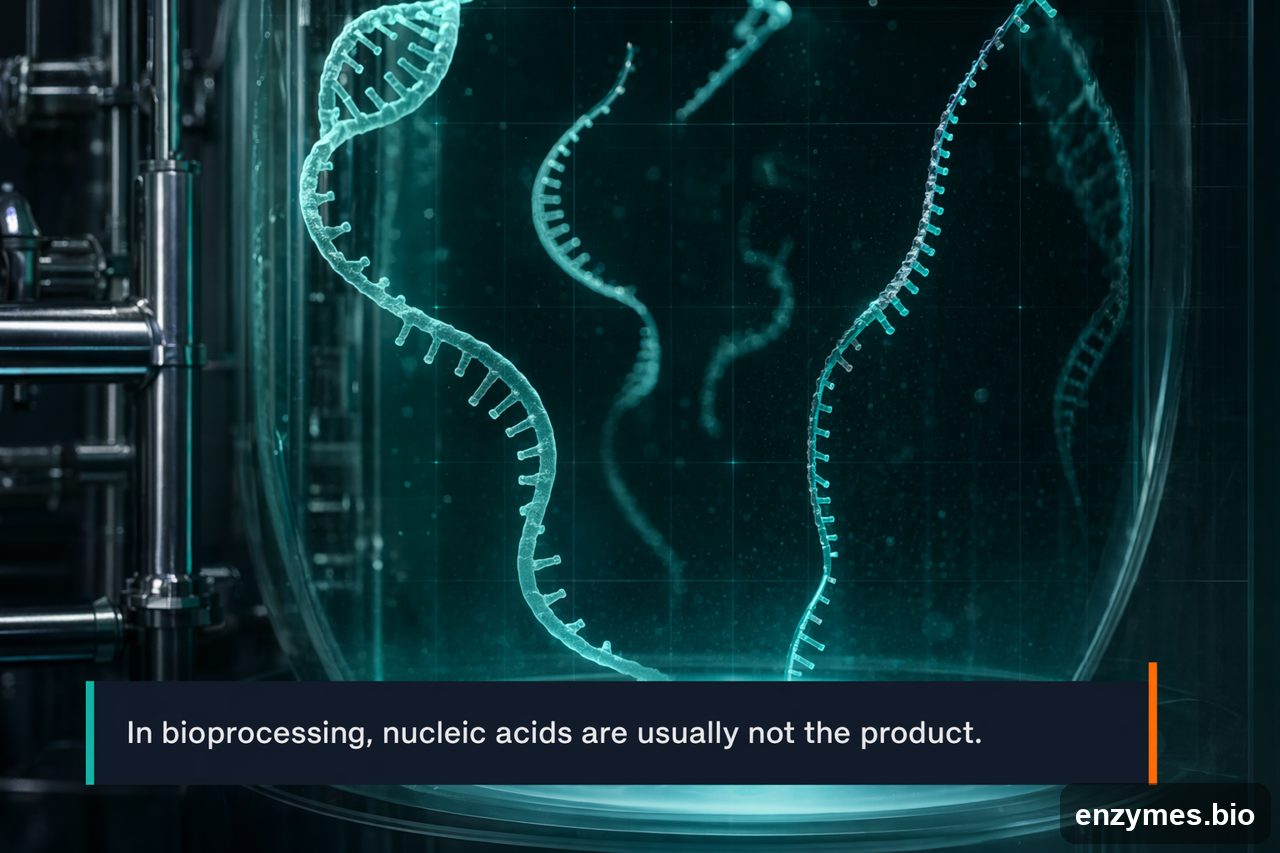
During cell disruption, fermentation, harvest, or intermediate handling, nucleic acids may be released into the liquid phase. Nuclease breaks these long DNA and RNA strands into smaller fragments, helping reduce the physical and purification burden associated with intact nucleic acids.
For downstream teams, the operational goal is simple: a process stream that moves, clarifies, filters, and purifies with fewer nucleic-acid-driven complications.
Where it fits in downstream workflows
Nuclease is commonly evaluated in workflows involving:
- Cell lysate treatment after disruption or lysis
- Fermentation harvest streams with released host nucleic acids
- Clarification steps where viscosity affects settling, centrifugation, or filtration
- Pre-filtration conditioning before depth filtration or membrane filtration
- Feed preparation before capture and polishing chromatography
- Process development studies focused on residual DNA or RNA reduction
The enzyme is typically introduced where nucleic acid release is expected and where the process can provide adequate mixing, contact time, and compatible conditions.
Operational outcomes buyers care about
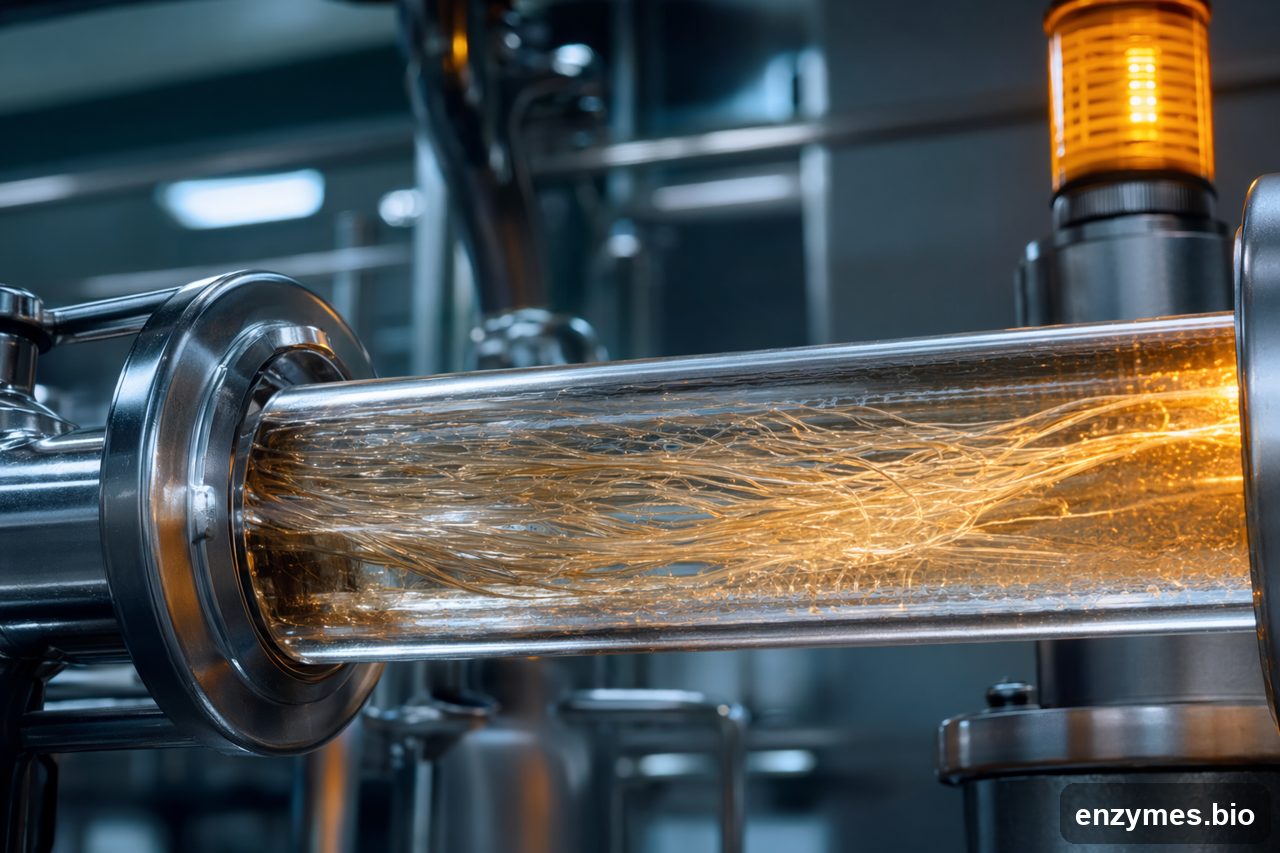
Nuclease is not only a biochemical input. In a production workflow, it is a control point for process handling.
Potential outcomes include:
- Lower apparent viscosity in nucleic-acid-rich streams
- Easier clarification and reduced drag on separation steps
- Improved filterability where long nucleic acid strands contribute to fouling
- More consistent feed behavior before chromatography
- Reduced nucleic acid burden entering downstream purification
- Cleaner process transitions from lysis or harvest into recovery
Performance depends on the matrix, process conditions, impurity profile, and point of addition. Nuclease Enzyme Solutions supports application-level evaluation so teams can define the right use pattern for their own workflow.
Selection considerations for procurement and process teams
When specifying nuclease for bioprocessing, buyers usually need more than a product name. They need lot confidence, documentation, and supply alignment.
Key purchasing considerations include:
- Lot-to-lot consistency for repeatable process behavior
- Documentation suitable for internal quality review
- Packaging options aligned with development, pilot, or production demand
- Clear storage and handling expectations
- Compatibility discussions for buffers, salts, process temperature, and downstream steps
- Responsive technical support during process transfer or scale-up
Nuclease Enzyme Solutions focuses on the practical intersection of enzyme performance and procurement execution: the material must work in the stream, arrive reliably, and support repeatable manufacturing decisions.
Process development guidance
For development teams, nuclease evaluation should be planned around the process matrix rather than treated as a generic additive. Important variables include the timing of addition, mixing strategy, nucleic acid load, contact window, and downstream removal or compatibility expectations.
A useful evaluation plan often compares treated and untreated streams for handling behavior, clarification response, filtration pressure behavior, and downstream purification impact. The target is not academic confirmation of enzyme action. The target is a more controlled process stream.
Built for controlled downstream decisions
Nuclease helps convert nucleic-acid-heavy material into a more manageable feed for recovery and purification. That can reduce avoidable friction between upstream release and downstream separation.
If residual DNA or RNA is slowing clarification, filtration or purification, send us the stream and the step. We quote the grade that fits, and we tell you which documents are available for that grade.
Request a quote or get pricing
Wholesale and bulk supply for downstream processing. Send us:
- the stream (lysate, harvest or intermediate) and the step you need to protect
- the batch volume and how often you run it
- the quantity per order or per year
- the delivery country
Price and lead time are quoted per order.