Nuclease for Microbial Fermentation Lysates
Microbial disruption releases the target material — and a large burden of host DNA and RNA. In bacterial, yeast, and other microbial lysates, those nucleic acids can create high viscosity, stringiness, poor solids separation, slow filtration, and inconsistent transfer behavior.
Nuclease is used after biomass disruption to degrade DNA and RNA into smaller fragments, helping convert a difficult lysate into a more controllable process stream.

Wholesale and bulk nuclease for fermentation and biotech plants. Request a quote with the organism, the lysate volume per batch, the quantity and the delivery country. Grade, pack size, price and lead time are quoted per order.
What it helps solve
- Thick or elastic lysates after homogenization, bead milling, chemical lysis, enzymatic lysis, or freeze-thaw disruption
- Slow clarification caused by nucleic-acid-driven drag and particle entanglement
- Reduced depth filter or membrane throughput
- Variable centrifuge performance across fermentation lots
- Higher downstream burden before capture, polishing, or formulation
- Process hold points caused by mixing, pumping, or transfer limitations
Why nucleic acids disrupt microbial lysate processing
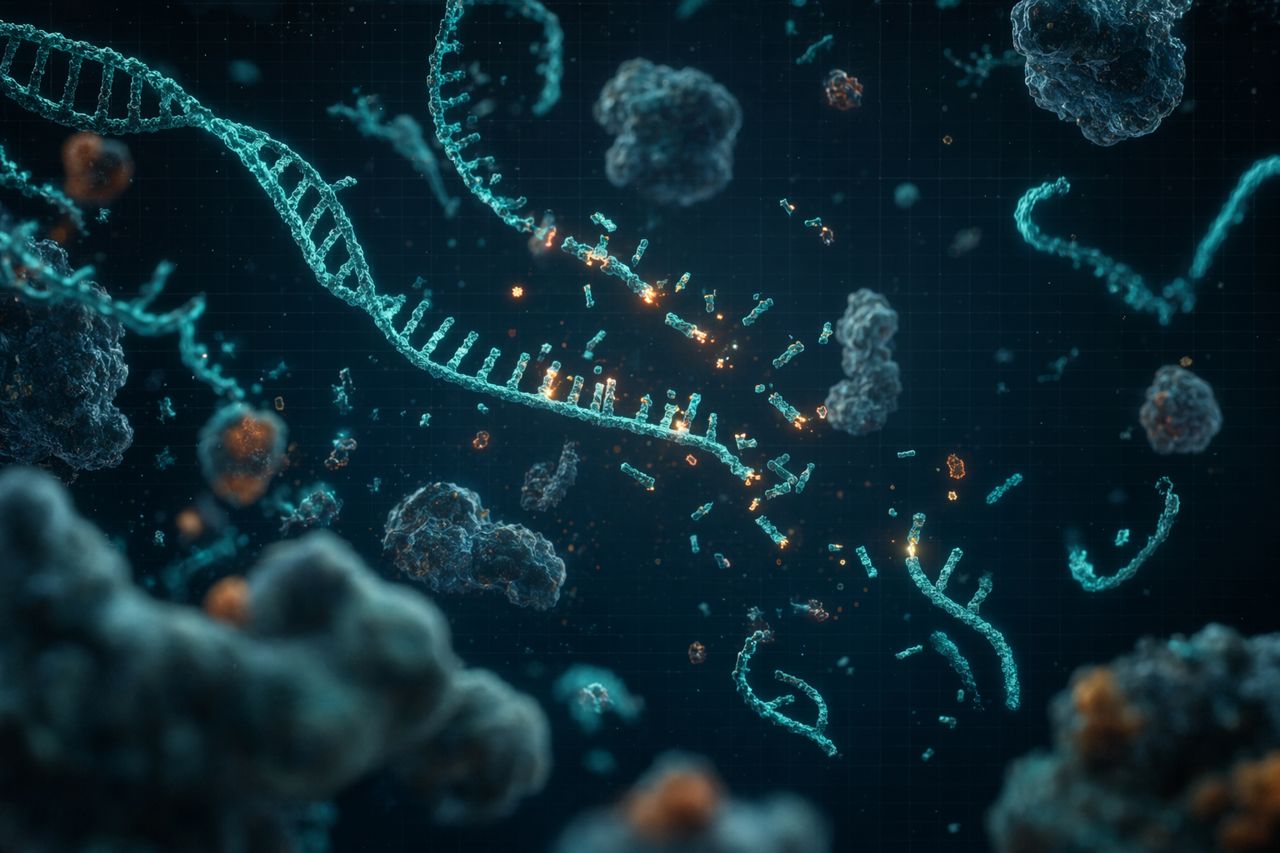
After cell breakage, long DNA and RNA molecules can bind water, entangle cell debris, and increase apparent viscosity. The result is not just a thicker fluid — it is a lysate that can resist mixing, trap fines, blind filters, and behave differently from batch to batch.
A nuclease step cuts those nucleic acids into shorter fragments. When applied under compatible process conditions, this can reduce viscosity, improve process clarity, and make the lysate easier to clarify before downstream purification.
Operational outcomes buyers care about
Lower lysate viscosity
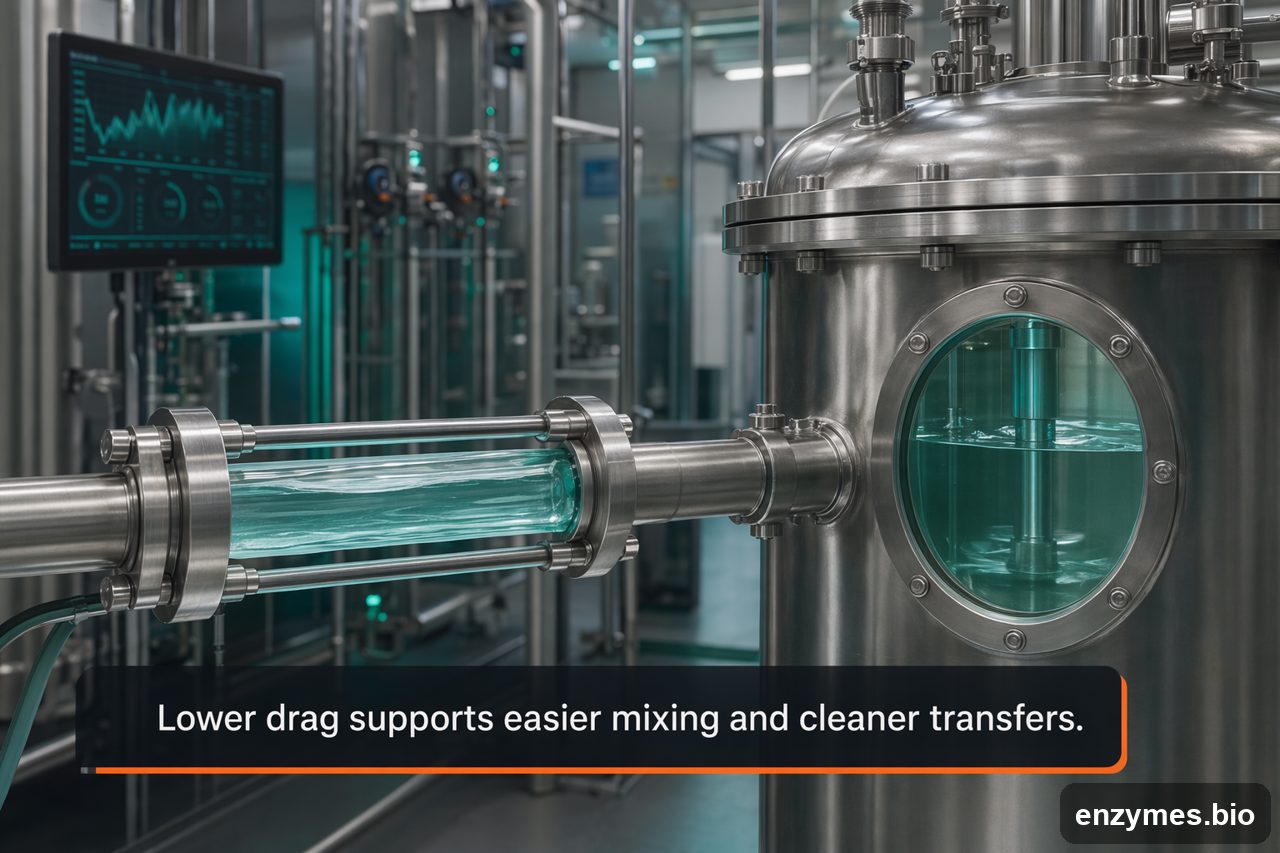
Nuclease treatment helps reduce DNA/RNA-driven thickness, enabling smoother agitation, transfer, and feed behavior.
Better clarification performance
Shorter nucleic acid fragments reduce entanglement with host debris, supporting more predictable centrifugation, settling, and primary clarification.
Improved filterability
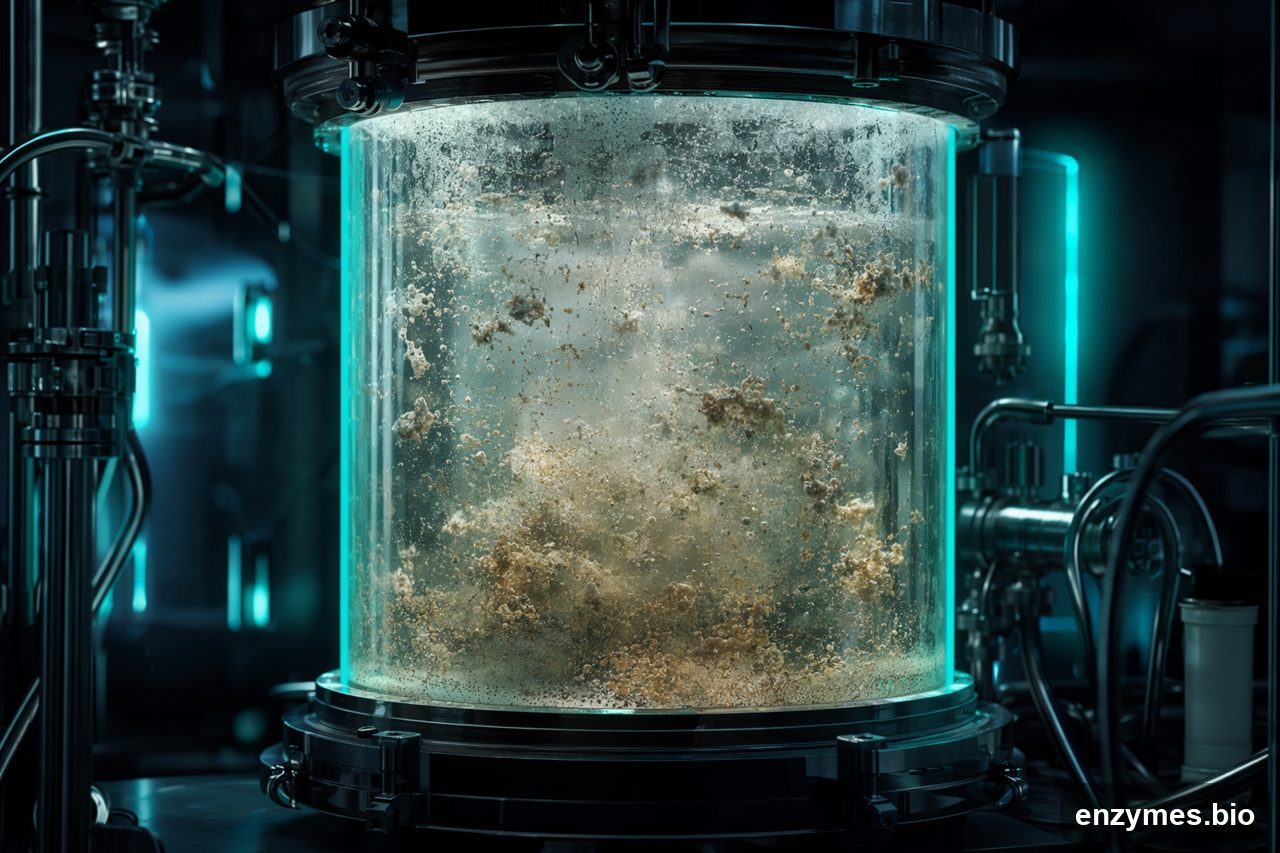
By decreasing stringiness and particulate drag, nuclease can help protect depth filters, membranes, and other clarification media from premature fouling.
Downstream compatibility
A cleaner, less viscous lysate can support more stable operation before chromatography, precipitation, extraction, ultrafiltration, or other downstream steps.
Lot-to-lot confidence
For B2B production, the value is not only degradation of DNA and RNA. The value is repeatable lysate behavior across fermentation campaigns, scales, and equipment trains.
Where nuclease fits in microbial workflows
Typical use points include:
- Post-disruption addition after mechanical, enzymatic, or chemical lysis
- Pre-clarification treatment before centrifugation, depth filtration, or membrane filtration
- Viscosity-control step before product capture or concentration
- Process rescue or optimization when lysate handling becomes a bottleneck
Nuclease Enzyme Solutions can help position the nuclease step around your actual constraints: lysis method, biomass concentration, target product, process temperature, salt level, pH range, cofactor strategy, hold time, and downstream removal expectations.
Common microbial production contexts
- Recombinant protein production in bacterial or yeast systems
- Microbial enzyme production
- Plasmid-associated and nucleic-acid-sensitive processes
- Cell-free extract preparation
- Intracellular metabolite or component recovery
- Fermentation-derived ingredient and bioprocess intermediate workflows
Yeast extract plants use nuclease the other way round: there the RNA is the raw material, not the impurity. See nuclease in yeast extract and nucleotide seasoning.
Process considerations for scale-up
Addition point
The nuclease should be introduced where the lysate can be mixed uniformly. Poor contact can create uneven viscosity reduction and make scale-up difficult.
Compatibility window
Temperature, pH, salt, detergents, chaotropes, reducing agents, and metal cofactors can influence process fit. Send us your conditions and we discuss fit in operating terms.
Downstream strategy
Depending on the product and process, teams may define nuclease removal, clearance, inactivation, or acceptable carry-through. The best approach depends on product class, purification train, regulatory expectations, and risk profile.
Documentation and supply continuity
Procurement teams need more than a technical answer: pack options, clear quotation terms and supply sized to the campaign. We tell you which documents are available for that grade.
Procurement checklist
When requesting pricing, include as much of the following as possible:
- Microbial host and lysis method
- Approximate lysate composition and solids burden
- Current viscosity, transfer, or filtration issue
- Intended addition point
- Operating pH and temperature range
- Salt, detergent, or cofactor conditions
- Downstream clarification and purification steps
- Target batch size or campaign scale
- Documentation, packaging, and delivery requirements
Request a quote
Wholesale and bulk supply for microbial lysates. Send the host organism, the lysis method, the batch volume, the quantity per order and the delivery country. We reply with the grade, pack options and a price for your quantity.