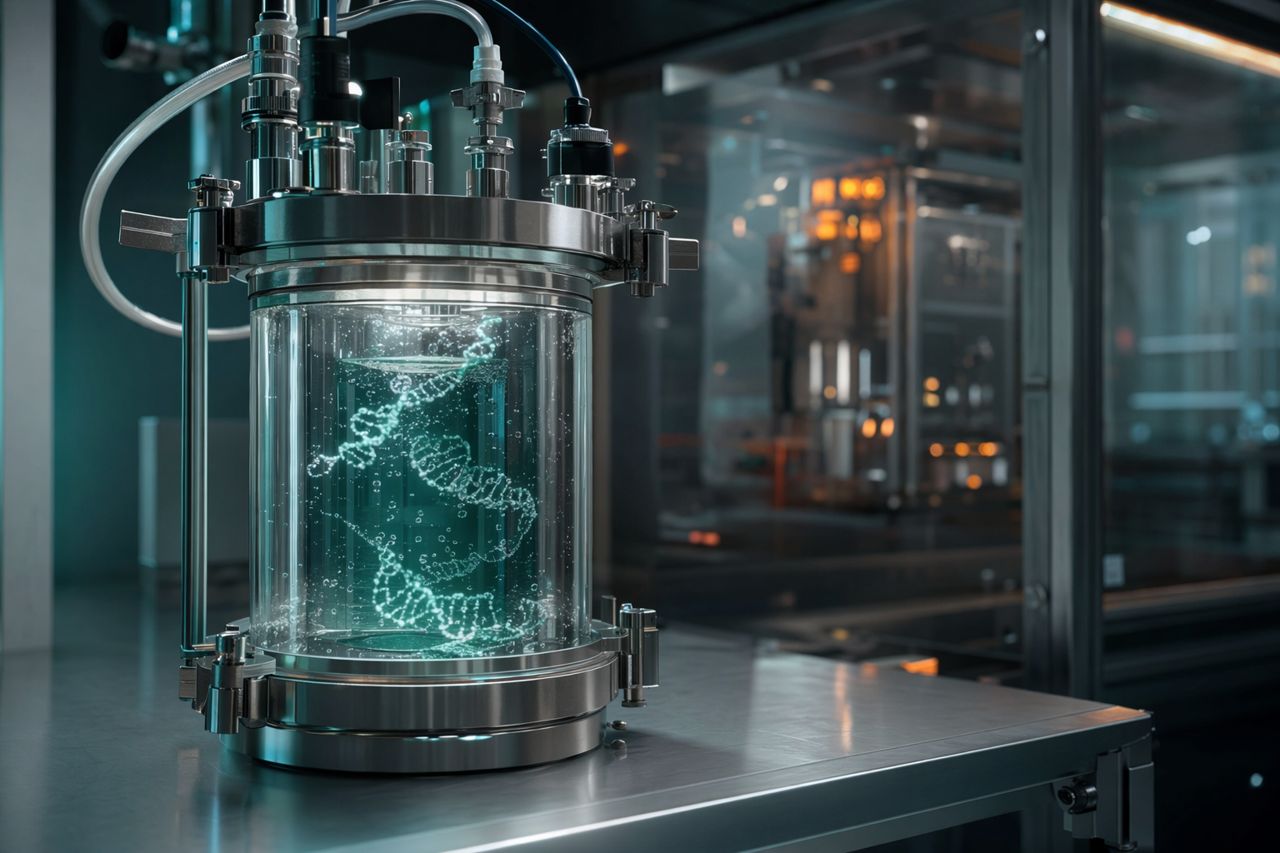
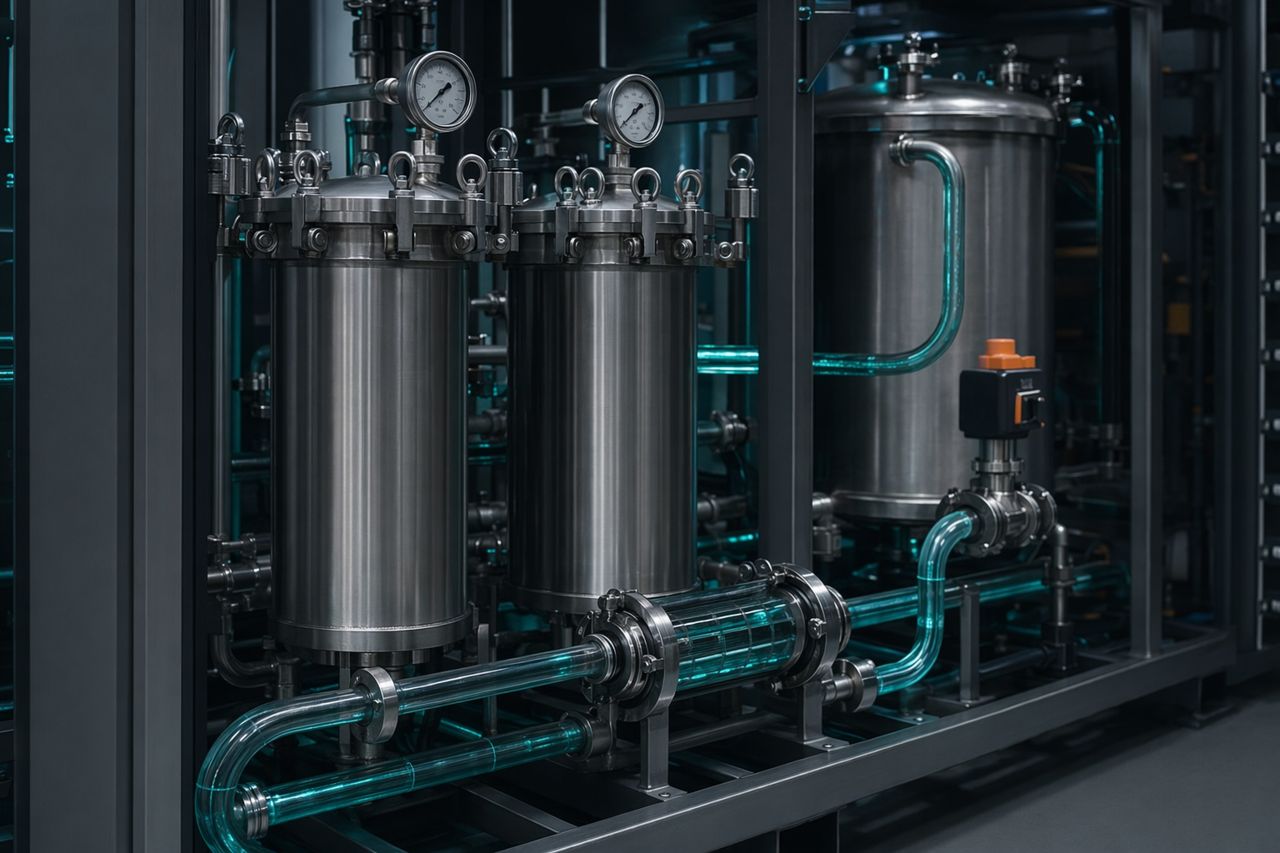
Cell disruption can turn a controlled harvest into a difficult fluid-handling problem. When DNA and RNA are released into the process stream, they can increase viscosity, hold fines in suspension, reduce clarification efficiency, and complicate downstream preparation.
Nuclease is used to fragment residual DNA and RNA in harvest and lysate workflows, helping teams move from disrupted biomass to a cleaner, more manageable process stream.
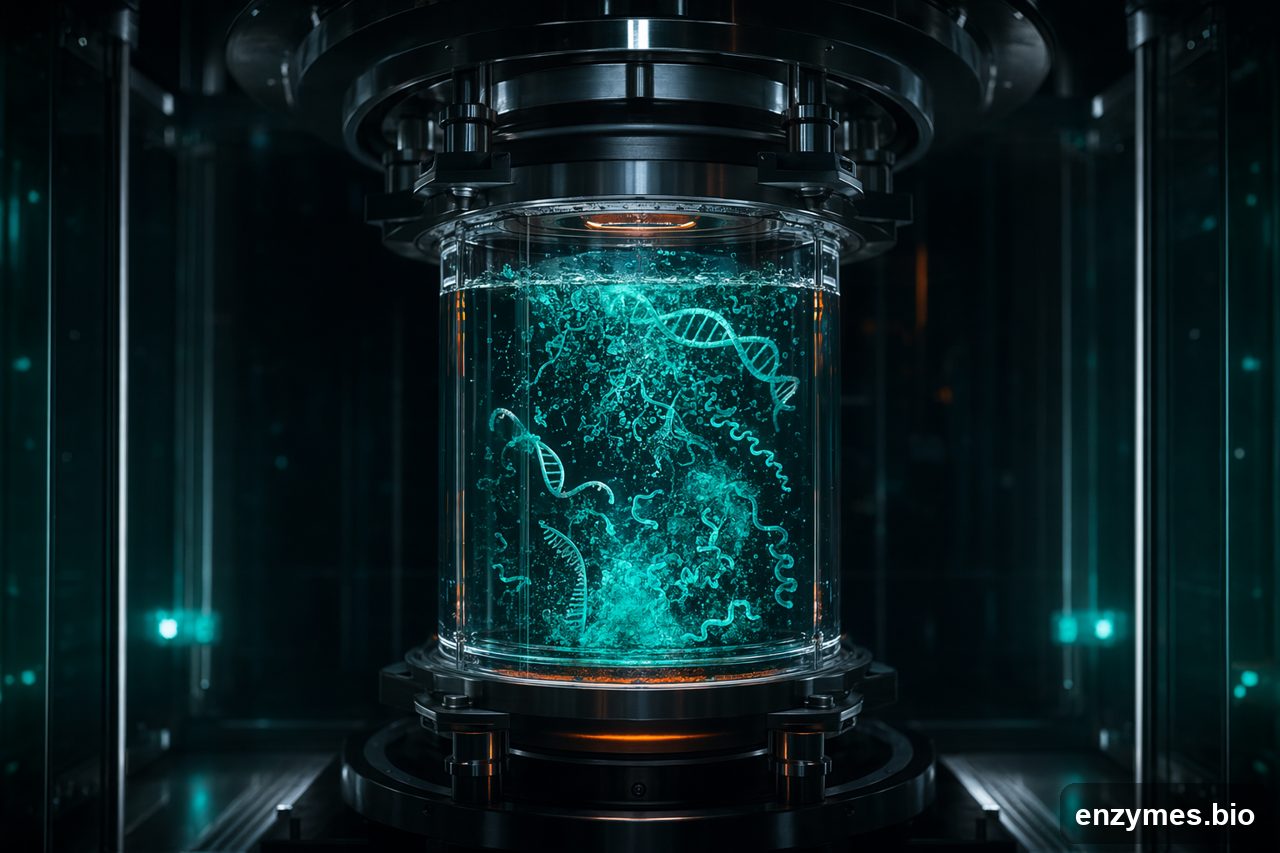
Wholesale and bulk nuclease for cell culture and lysate processing. Request a quote with the cell system, the batch volume, the quantity and the delivery country. Grade, pack size, price and lead time are quoted per order.
What nuclease does in harvest and lysate workflows
Nuclease targets nucleic acid burden after cells have released DNA and RNA into the surrounding liquid. In practical process terms, that can support:
- Lower viscosity in nucleic-acid-rich lysates
- Improved solids-liquid separation behavior
- More consistent clarification performance
- Reduced carryover of residual nucleic acids into downstream steps
- Better compatibility with filtration, chromatography, concentration, or polishing workflows
- More predictable process handling from development through scale-up
This is not simply a laboratory cleanup step. In production-facing workflows, nuclease can be part of a controlled harvest strategy where fluid behavior, impurity burden, and downstream readiness all matter.
Where it fits
Typical use points include:
-
Post-disruption lysate conditioning
After mechanical, chemical, osmotic, or other disruption methods release intracellular material. -
Pre-clarification treatment
Before centrifugation, depth filtration, microfiltration, or staged clarification to help reduce nucleic-acid-driven viscosity and fouling behavior. -
Harvest hold or conditioning step
Where the process includes a defined contact window before primary clarification. -
Downstream preparation
Where residual nucleic acid needs to be reduced before capture, polishing, or further processing.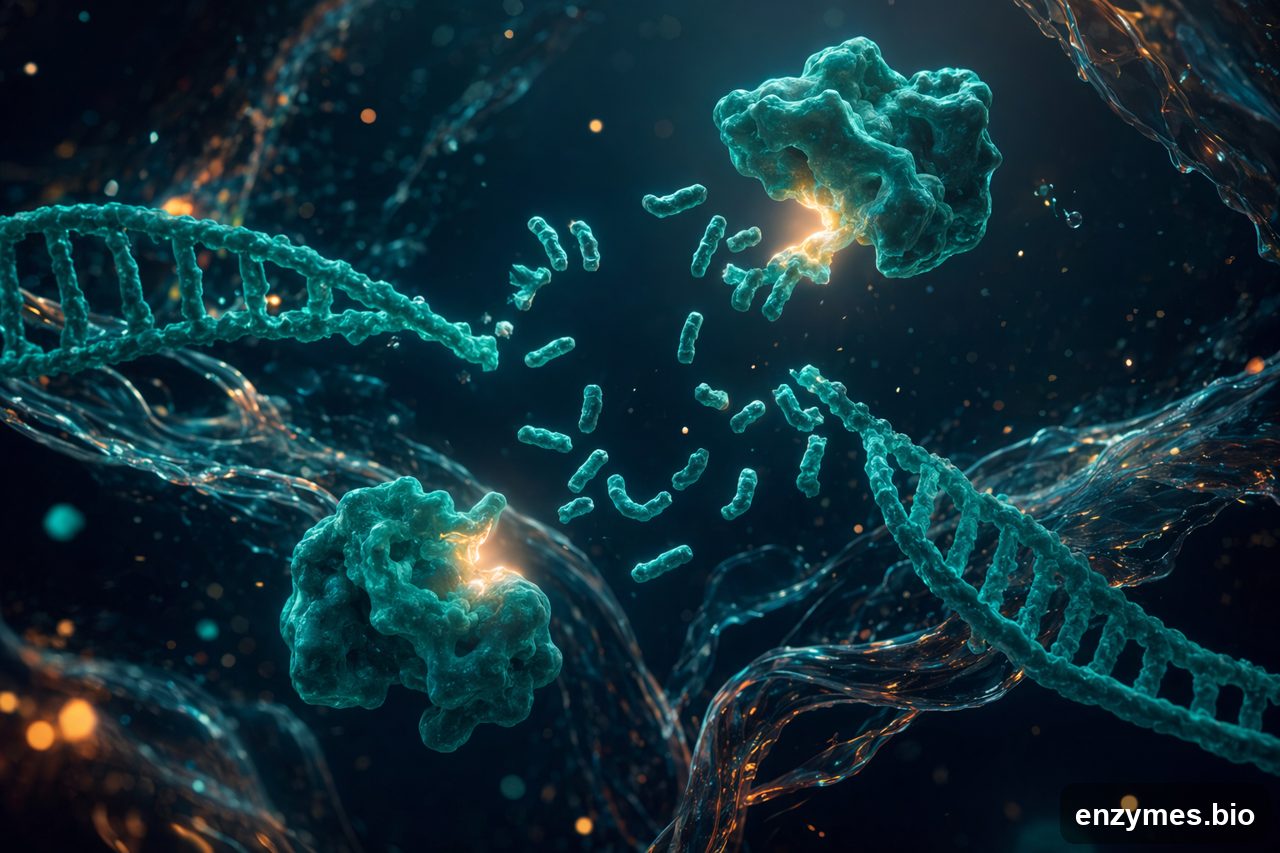
Nuclease use should be aligned with the process matrix, temperature window, mixing design, contact time, and defined residual nucleic acid target.
Operational outcomes buyers usually care about
Easier harvest fluid handling
Released DNA and RNA can make lysates stringy, resistant to mixing, and difficult to transfer. Controlled nuclease treatment can help reduce strand length and improve processability.
Cleaner clarification behavior
High nucleic acid burden can keep fine solids suspended or contribute to filter loading. Nuclease treatment may support more reliable separation when integrated with the right clarification train.
Better downstream compatibility
Residual nucleic acids can interfere with downstream preparation and increase the load on later purification steps. Fragmentation at the harvest or lysate stage can reduce that burden earlier in the workflow.
Stronger lot-to-lot confidence
For procurement teams, enzyme performance is only useful when supply is consistent from lot to lot. Ask us about lot traceability for the grade you order; we tell you which documents are available for that grade.
Application areas
Nuclease may be evaluated in workflows involving:
- Mammalian cell culture harvests
- Microbial lysates
- Recombinant protein processes
- Viral vector or vaccine-related upstream processing
- Cell-derived product streams where released nucleic acids affect handling
- Process development studies focused on residual DNA or RNA reduction
Suitability depends on the matrix, target product, regulatory expectations, and downstream purification strategy.
Process parameters to define before evaluation
For a useful nuclease trial, define the operating envelope before starting. Key inputs include:
- Cell type and disruption method
- Estimated nucleic acid burden
- Target product sensitivity
- Desired point of addition
- Temperature and pH range of the process stream
- Mixing intensity and vessel geometry
- Contact time available before clarification
- Compatibility requirements for downstream steps
- Residual nucleic acid target and analytical release expectations
- Preferred grade, packaging, and documentation requirements
You do not need to disclose proprietary production details to get a quote: these inputs are enough to select a grade.
Formulation and grade considerations
Nuclease selection is not only about catalytic function. For B2B purchasing and process use, buyers should also consider:
- Bioprocess compatibility
- Consistency between supplied lots
- Documentation package and traceability
- Storage and handling requirements
- Packaging format for development, pilot, or production use
- Impurity profile expectations
- Supply continuity and lead time
- Support for scale-up and change control discussions
Integration notes
For harvest and lysate management, nuclease is typically evaluated as a process-conditioning tool. Teams should confirm that the enzyme performs under the actual process conditions rather than only in a simplified buffer system.
Important integration questions include:
- Does the nuclease remain effective in the process matrix?
- Does the treatment reduce viscosity or improve transfer behavior?
- Does clarification performance improve after treatment?
- Are downstream steps compatible with the treated stream?
- Is the enzyme removed, inactivated, or otherwise controlled as required by the process?
- Are residual nucleic acid targets met with an acceptable operating margin?
What to send for a quote
Include the intended application and process stage. We reply with the grade that fits, the pack options, and a price and lead time for your quantity.
Helpful request details include:
- Application: harvest, lysate, or downstream preparation
- Organism or cell system category
- Process scale range
- Liquid volume per batch or campaign estimate
- Preferred pack size or dosing format
- Documentation requirements
- Target timeline for evaluation or supply
- Any constraints around temperature, pH, salts, detergents, or product sensitivity
Frequently asked questions
Can nuclease reduce viscosity in lysates?
Yes, nuclease is commonly evaluated where released DNA and RNA contribute to viscosity. The impact depends on the process matrix, nucleic acid burden, mixing, contact time, and operating conditions.
Should nuclease be added before clarification?
Often, yes. Pre-clarification addition can help condition the stream before centrifugation or filtration. The best point of addition should be confirmed in the actual workflow.
Does nuclease degrade both DNA and RNA?
Nuclease is intended for DNA and RNA degradation applications. Performance should be confirmed against the process-specific residual nucleic acid target.
Is nuclease suitable for regulated bioprocessing?
It depends on the grade, your process controls and the intended product. Tell us the use and we tell you which documents are available for that grade.
What should we test first?
Start with the actual harvest or lysate matrix when possible. Compare untreated and nuclease-treated material for viscosity, clarification behavior, residual nucleic acid profile, and downstream compatibility.
Request a quote or get pricing
Wholesale and bulk supply for cell culture and lysate processing. Tell us the cell system, the harvest or lysate volume per batch, the quantity you need and the delivery country. We reply with the grade, pack options and a price for your quantity.