Nuclease for clarification, filtration, and bioseparation support
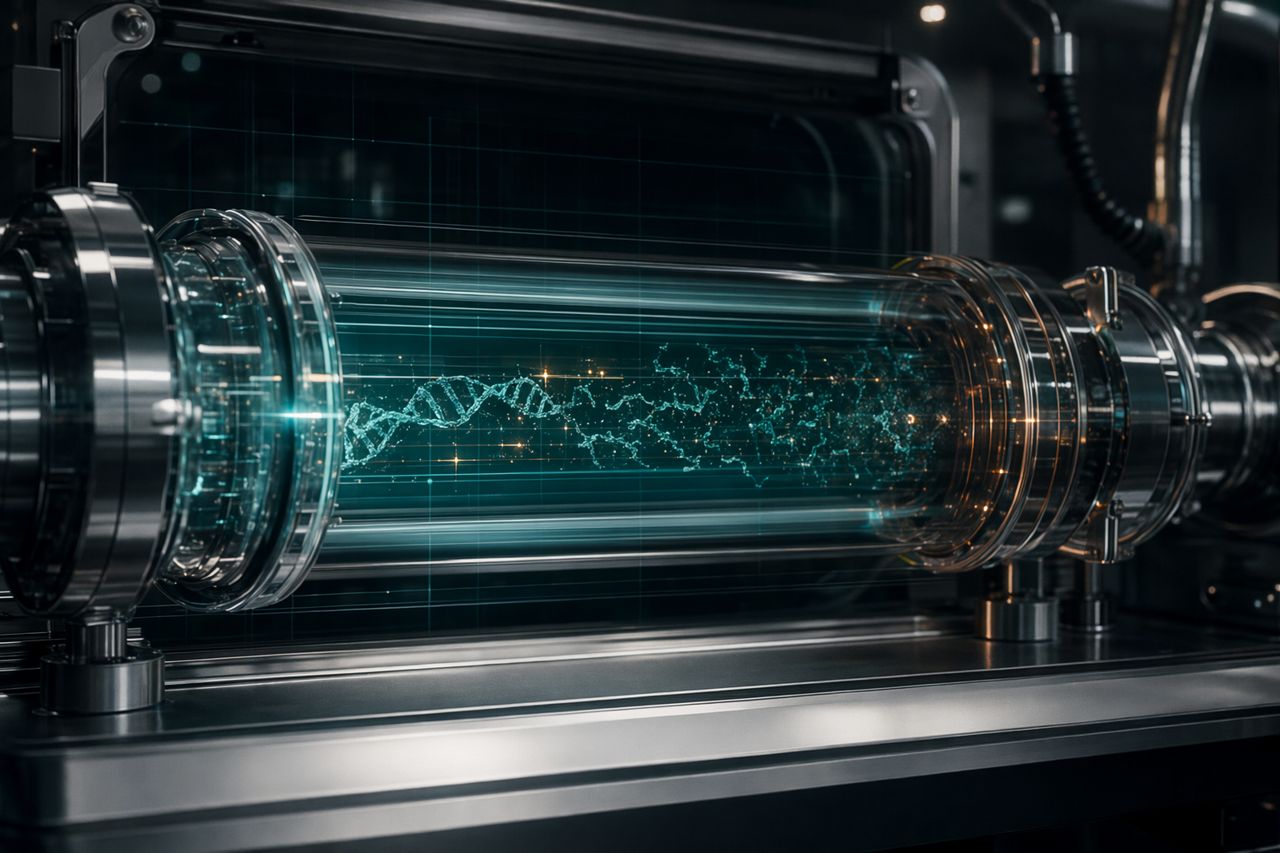
Long residual DNA and RNA can change how a biological process stream behaves. Even when nucleic acids are not the primary product or impurity of interest, they can increase viscosity, hold fine solids in suspension, contribute to turbidity, complicate phase separation, and make downstream unit operations less predictable.
Nuclease Enzyme Solutions supplies Nuclease (DNA/RNA-Degrading Enzyme) for B2B process teams that need controlled nucleic acid fragmentation before clarification, filtration, centrifugation, chromatography, or other bioseparation steps.
Wholesale and bulk nuclease for process teams, CDMOs and resellers. Request a quote with the stream, the unit operation, the quantity and the delivery country. Grade, pack size, price and lead time are quoted per order.
The purpose is practical: shorten nucleic acid chains so the process fluid handles more cleanly.
Where nuclease fits in the process
Nuclease is commonly evaluated when nucleic-acid-driven fluid behavior creates friction around upstream or intermediate recovery steps.
Typical integration points include:
- Post-lysis or post-harvest conditioning before solids removal
- Pre-clarification treatment where viscosity or turbidity is limiting throughput
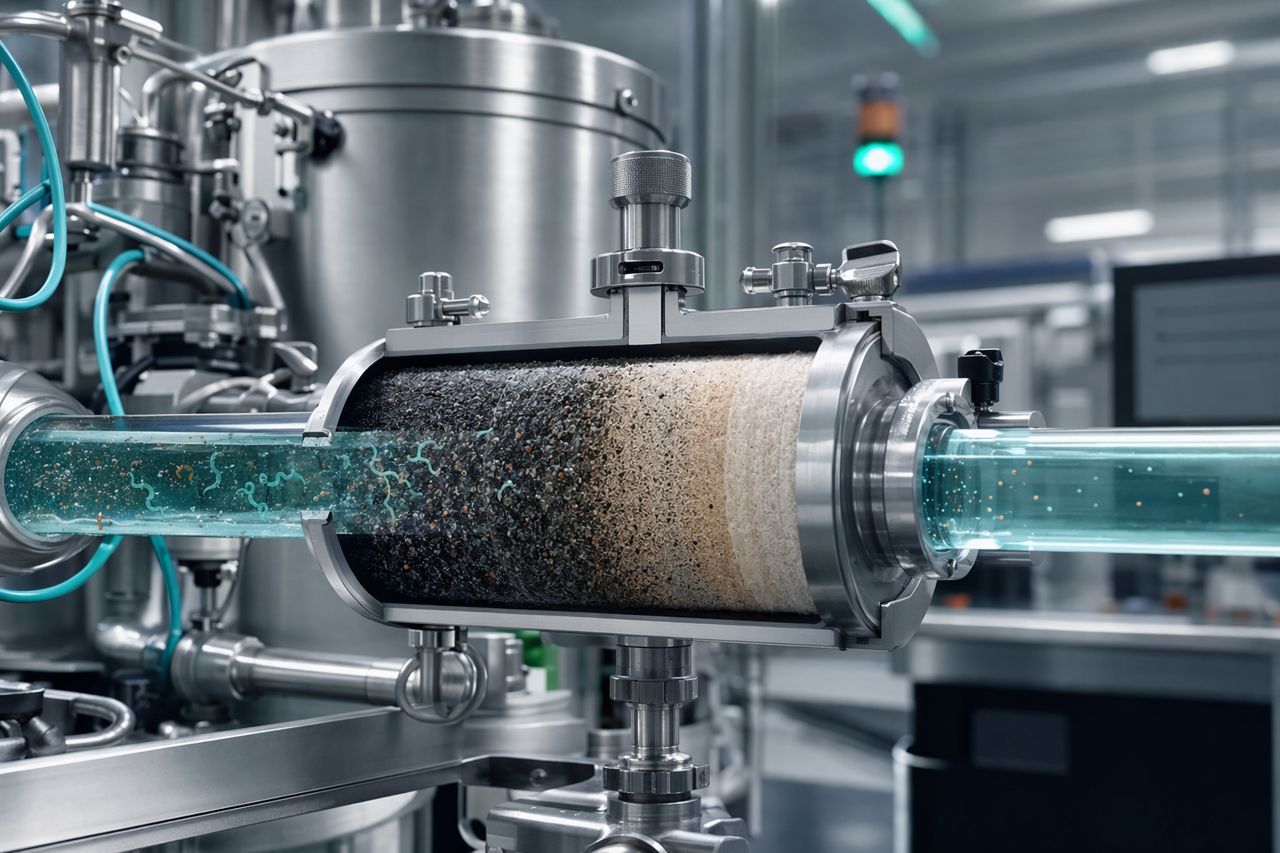
- Before depth filtration or membrane filtration to reduce nucleic-acid-related fouling pressure
- Before centrifugation or separation operations where long polymers can impair clean phase split
- Before chromatography or polishing feeds where residual nucleic acids may affect compatibility, loading behavior, or impurity management
- Intermediate hold or transfer steps where fluid consistency matters for pumping, mixing, and scale-up
Nuclease is sold in bulk for manufacturing and development use, not as a lab vial. Quotes are per order, sized to your batch volume and campaign.
Operational outcomes buyers care about
Reduced nucleic acid burden
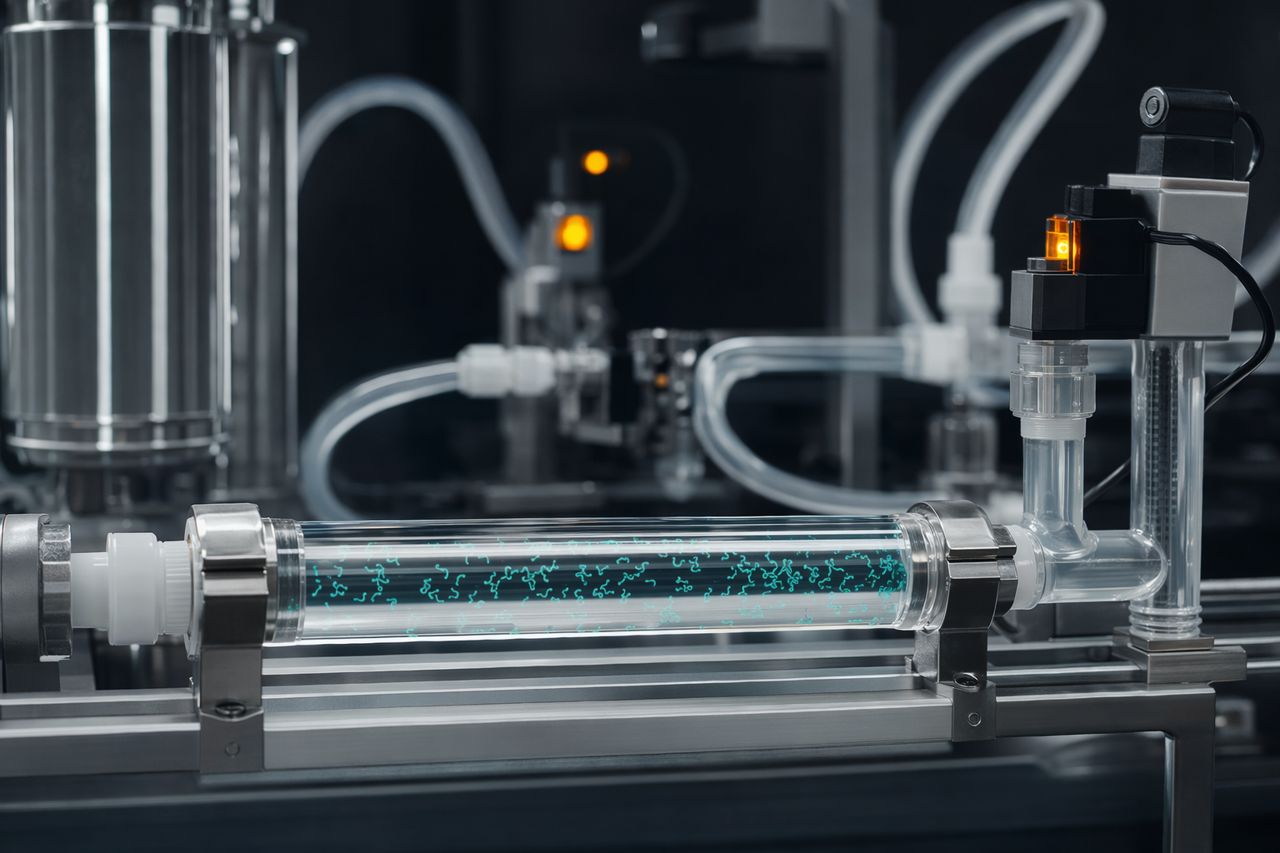
Nuclease fragments DNA and RNA into shorter nucleic acid pieces, supporting residual nucleic acid reduction strategies and making streams easier to prepare for downstream purification.

Improved process clarity
When long nucleic acids contribute to haze, fine-particle suspension, or difficult solids removal, nuclease treatment can help move the stream toward more manageable clarification behavior.
Better filtration readiness
Shorter nucleic acid fragments can reduce polymer-driven resistance in filtration trains, helping teams address slow throughput, premature fouling, and inconsistent filter performance.
Downstream compatibility
Clarified or conditioned feeds with lower long-chain nucleic acid content are often easier to evaluate for chromatography, membrane operations, concentration, and polishing steps.
Lot-to-lot confidence
Process enzymes are part of the control strategy. Order the same grade for every campaign, and ask us which documents are available for that grade.
Application scenarios
Cell culture harvests
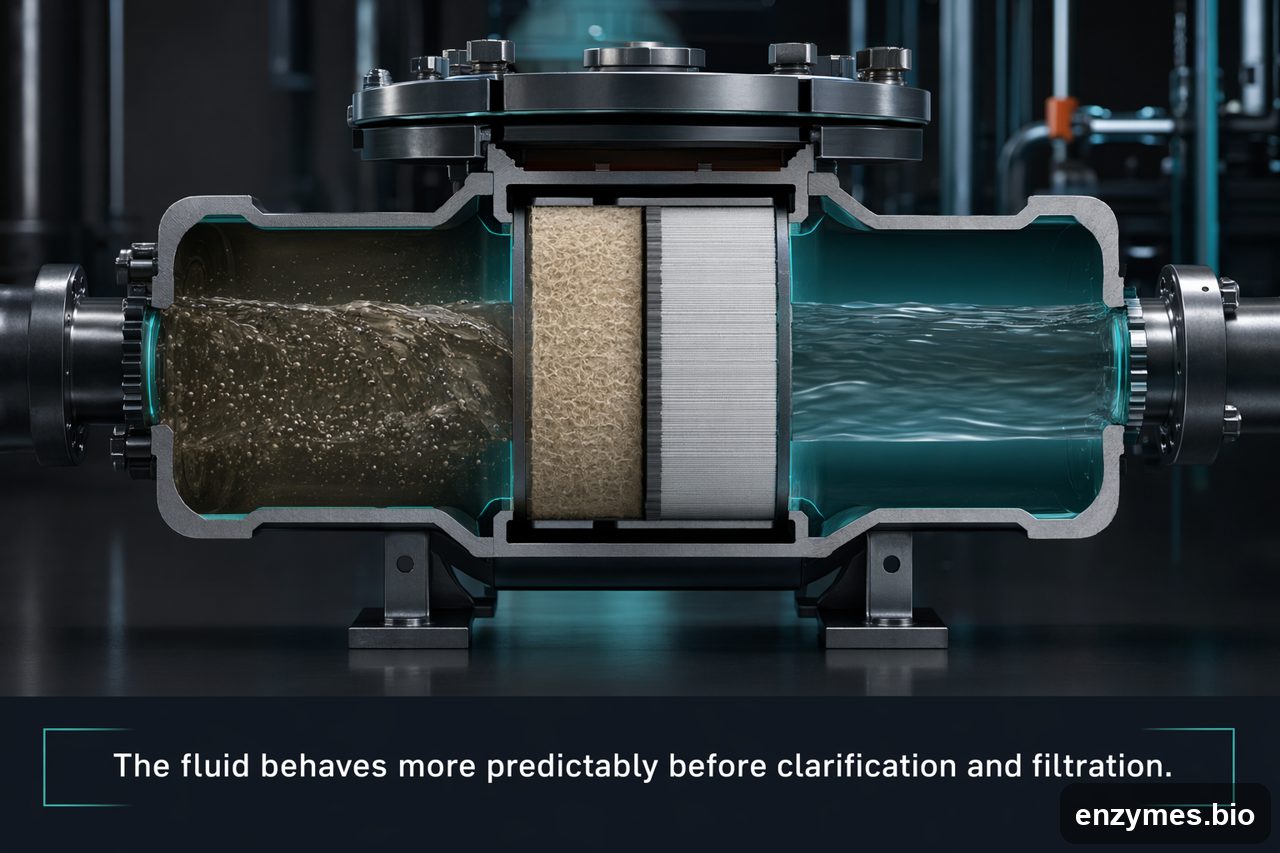
Harvest fluids may contain host-cell nucleic acids released during culture stress, shear, or processing. Nuclease can be assessed as a conditioning step to reduce long-chain DNA/RNA effects before clarification and filtration.
Microbial lysates
Lysis can release dense nucleic acid loads that create viscosity and handling issues. Nuclease treatment can support smoother transfer, mixing, centrifugation, and primary recovery behavior.
Viral vector and biologics workflows
In workflows where residual nucleic acids must be controlled without destabilizing the broader process, nuclease may support feed preparation ahead of filtration or bioseparation steps.
Enzyme, protein, and recombinant product streams
Where nucleic acids are process-related impurities rather than target molecules, nuclease treatment can help improve material handling before capture or polishing.
What to define before requesting pricing
To quote accurately and support technical fit, Nuclease Enzyme Solutions typically asks for process context rather than academic detail.
Useful inputs include:
- Stream type: harvest, lysate, clarified intermediate, concentrate, or other process fluid
- Biological source: mammalian, microbial, yeast, insect, plant, or mixed source
- Target operation: clarification, depth filtration, membrane filtration, centrifugation, chromatography, or separation
- Main issue: viscosity, turbidity, filter fouling, slow phase separation, residual nucleic acids, or downstream compatibility
- Process conditions: approximate pH range, temperature range, hold time, conductivity or salt environment if relevant
- Scale: development, pilot, clinical, commercial, or industrial production
- Documentation needs: specification review, quality documents, allergen or origin statements, regulatory support package, or supplier qualification files
- Supply needs: pack size, forecast, delivery window, and required lot reservation expectations
Handling and process evaluation notes
Every process stream is different. The best nuclease evaluation focuses on measurable operational endpoints rather than enzyme addition alone.
Recommended evaluation endpoints may include:
- Change in viscosity or transfer behavior
- Clarification speed and solids removal behavior
- Filtration throughput and pressure profile
- Turbidity or visual clarity trend
- Residual DNA/RNA trend using your internal method
- Compatibility with downstream product quality attributes
- Impact on yield, impurity profile, and hold-time strategy
Nuclease Enzyme Solutions can support specification discussion and procurement planning while your technical team defines the process window internally.
Why nuclease
- Bulk supply by quote for manufacturers and resellers
- One grade matched to your stream and unit operation
- Quotes sized to trial, first-order and campaign quantities
- Technical answers in operational terms, no vague performance promises
Request a quote or get pricing
Tell us the stream you treat, the unit operation you need to protect (centrifuge, depth filter, membrane or column), the volume per batch, the quantity and the delivery country. We reply with the grade that fits and a price for your quantity.