Nuclease for protein extraction and purification workflows
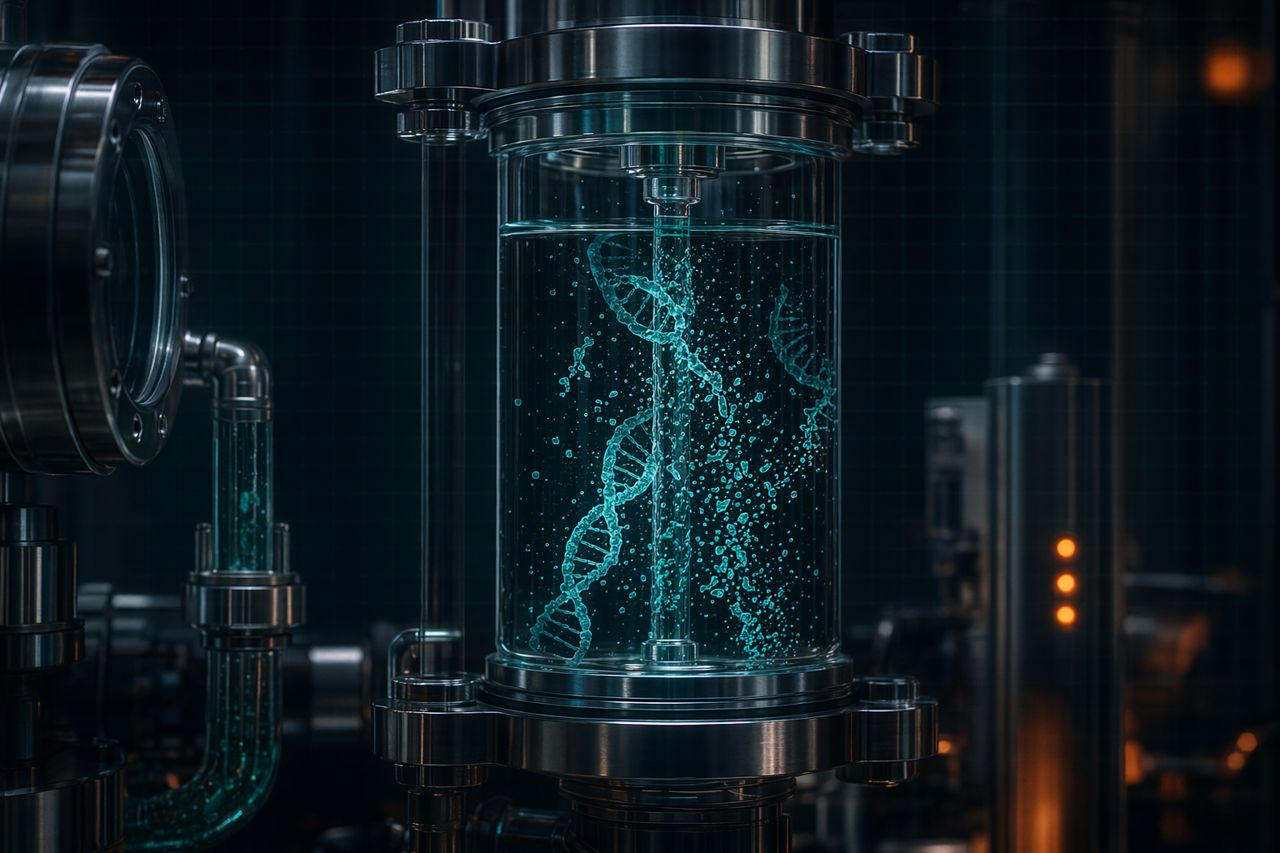
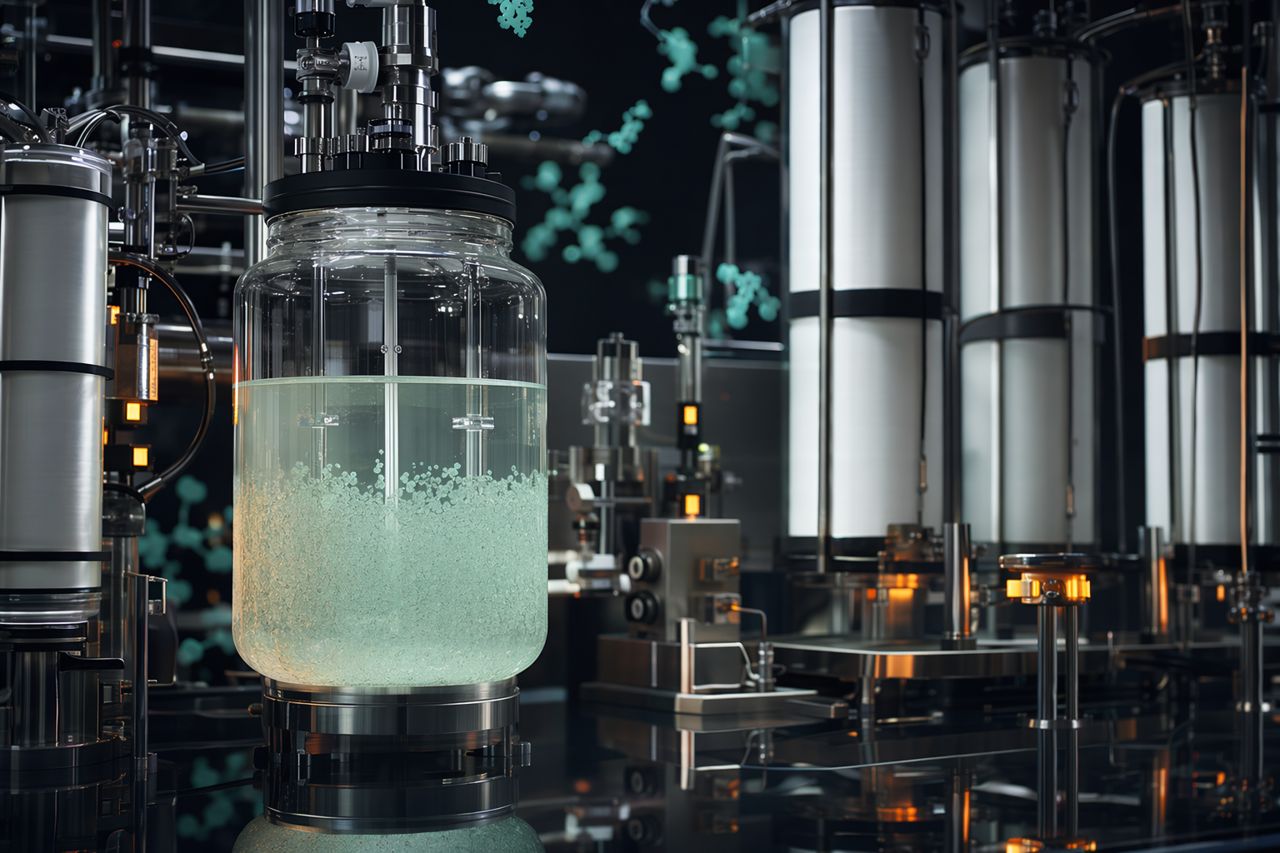
Protein production does not stop at expression. Once cells are disrupted, DNA and RNA can turn a manageable lysate into a viscous, difficult-to-process stream that slows clarification, loads filters, and complicates downstream separation. Nuclease is supplied for controlled nucleic acid reduction in protein-containing process streams, helping teams move from crude lysate to cleaner, more predictable purification input.
Wholesale and bulk nuclease for protein manufacturers, CDMOs and reagent makers. Request a quote with the host system, the batch volume, the quantity and the delivery country. Grade, pack size, price and lead time are quoted per order.
What nuclease does in protein workflows
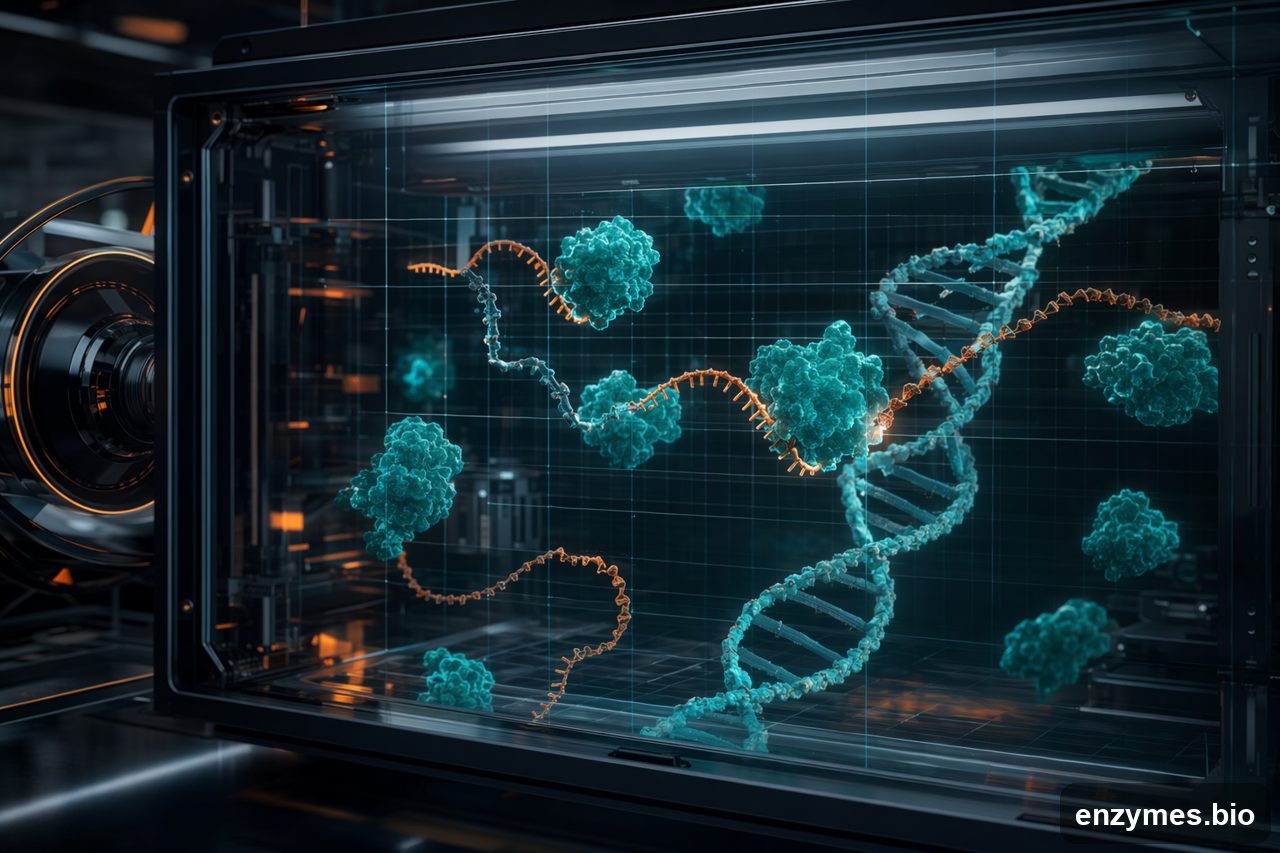
Nuclease degrades DNA and RNA into smaller fragments, reducing nucleic acid-driven viscosity and improving the physical behavior of lysates or intermediate process streams. In protein extraction and purification, that can translate into:
- Easier mixing and transfer of cell lysates
- Improved lysate clarity before centrifugation or filtration
- Reduced filter fouling risk during clarification
- More consistent feed quality entering chromatography or other separation steps
- Lower residual nucleic acid burden in protein-containing fractions
- Cleaner downstream decision-making during process development
The goal is not simply nucleic acid digestion. The goal is a process stream that behaves more predictably.
Where Nuclease fits
After cell disruption
Following lysis, nucleic acids released from host cells can increase viscosity and make solids separation less efficient. Adding nuclease at this stage can help convert a difficult lysate into a more workable suspension before primary clarification.
Before filtration
Nucleic acid-rich material can contribute to early filter loading and variable throughput. Nuclease treatment helps reduce this burden so filtration steps are less dependent on the nucleic acid profile of each batch.
Before capture or polishing
Residual DNA and RNA may interfere with downstream protein purification behavior, depending on the protein, host system, and separation strategy. Nuclease treatment upstream can improve consistency in the material presented to later purification steps.
During process development
Nuclease is often evaluated when teams are comparing lysis strategies, clarification formats, feed preparation methods, or impurity reduction plans. Tell us the trial quantity and the campaign quantity; we quote both.
Operational outcomes buyers care about
Lower lysate viscosity
High-viscosity lysates slow transfers, complicate sampling, and make clarification harder to control. Nuclease helps break down the nucleic acid structures that drive viscosity, improving the mechanical handling of the stream.
Better process clarity
By reducing long nucleic acid chains, nuclease treatment can support clearer pre-purification material and cleaner separation boundaries during clarification.
Downstream compatibility
Protein purification workflows depend on predictable inputs. Nuclease is selected for use in process streams where the enzyme must support nucleic acid reduction while fitting into existing buffer, timing, and separation decisions.
Lot-to-lot confidence
Industrial protein workflows need repeatable raw material behavior from lot to lot. We tell you which documents are available for that grade.
Common use cases
Nuclease may be used in workflows involving:
- Recombinant protein extraction from microbial systems
- Cell lysate preparation before centrifugation or depth filtration
- Enzyme, antigen, and research protein recovery workflows
- Protein-containing process intermediates with elevated nucleic acid burden
- Viscosity reduction during process development and scale-up
- Feedstream preparation before chromatography or membrane-based separation
Suitability should be confirmed in the actual process matrix, especially where the target protein is sensitive to buffer composition, hold time, or shear conditions.
Integration considerations
Nuclease performance depends on the process environment. When evaluating Nuclease, teams typically review:
- Host organism and lysis method
- Approximate solids load and nucleic acid burden
- Target protein stability profile
- Buffer composition and conductivity range
- Addition point and mixing capability
- Process temperature and hold strategy
- Clarification method and downstream sequence
- Residual nucleic acid targets and internal release requirements
Send your operating window and we match the grade to it.
Procurement and quality alignment
For industrial buyers, enzyme performance must be paired with supply control. A quote from us covers:
- The grade matched to your process
- Pack options for development, pilot or production
- Price and lead time for your quantity
- Repeat supply on the same grade
- Which documents are available for that grade
If your team is qualifying nuclease for routine production, early discussion of packaging, forecast volume, and documentation expectations helps reduce purchasing friction later.
How to evaluate nuclease in your process
A practical evaluation should compare treated and untreated process streams under your normal operating constraints. Useful observations include:
- Change in lysate handling and pumpability
- Clarification behavior after nuclease addition
- Filtration throughput and pressure trend
- Protein recovery and purity after downstream steps
- Residual nucleic acid profile against internal targets
- Consistency across representative lots or batches
This keeps the evaluation focused on operational outcomes rather than isolated bench observations.
Request a quote or get pricing
Tell us your host system, the process stage, the quantity per order and the delivery country. We reply with the grade and a price for nuclease in your protein workflow.
Prefer a short specification review first? Use the same form and note that you would like to get pricing after technical fit is confirmed.