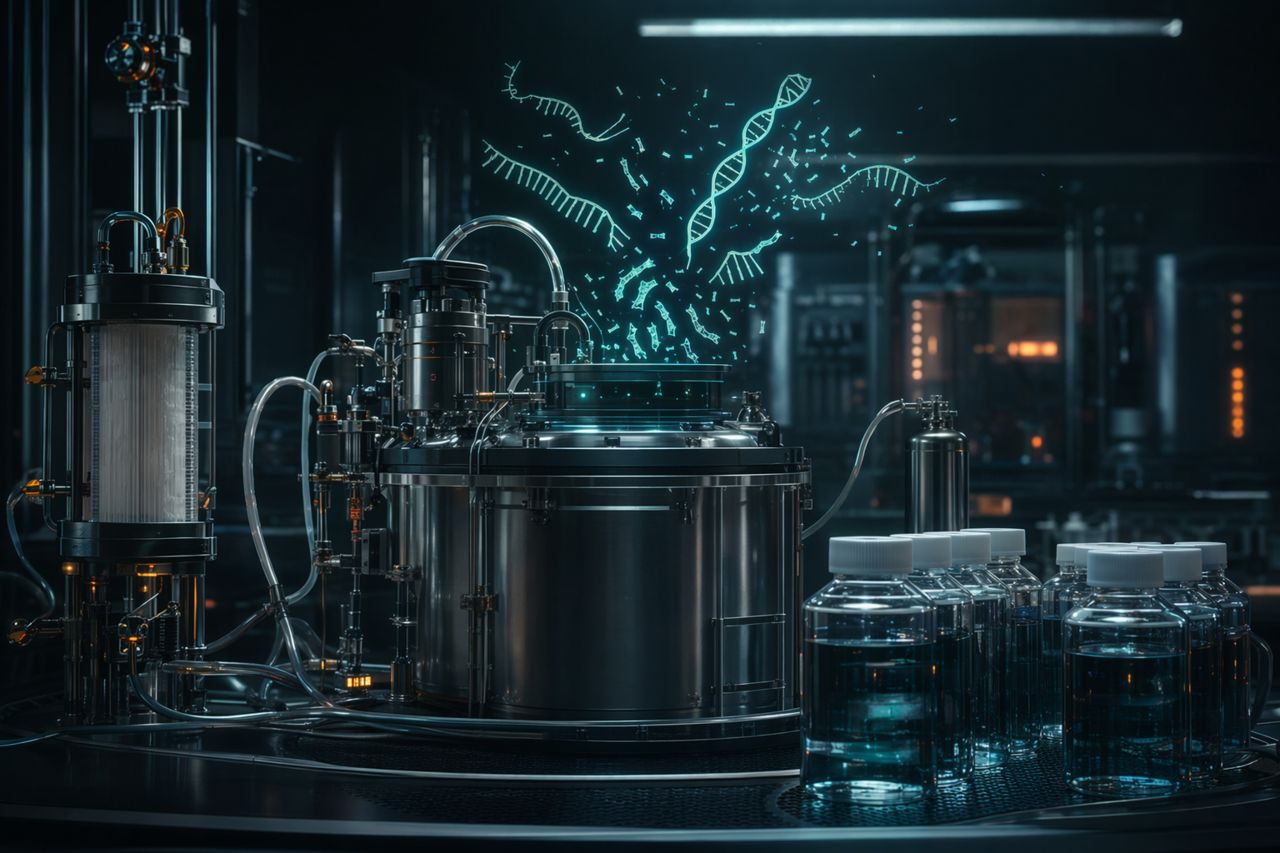
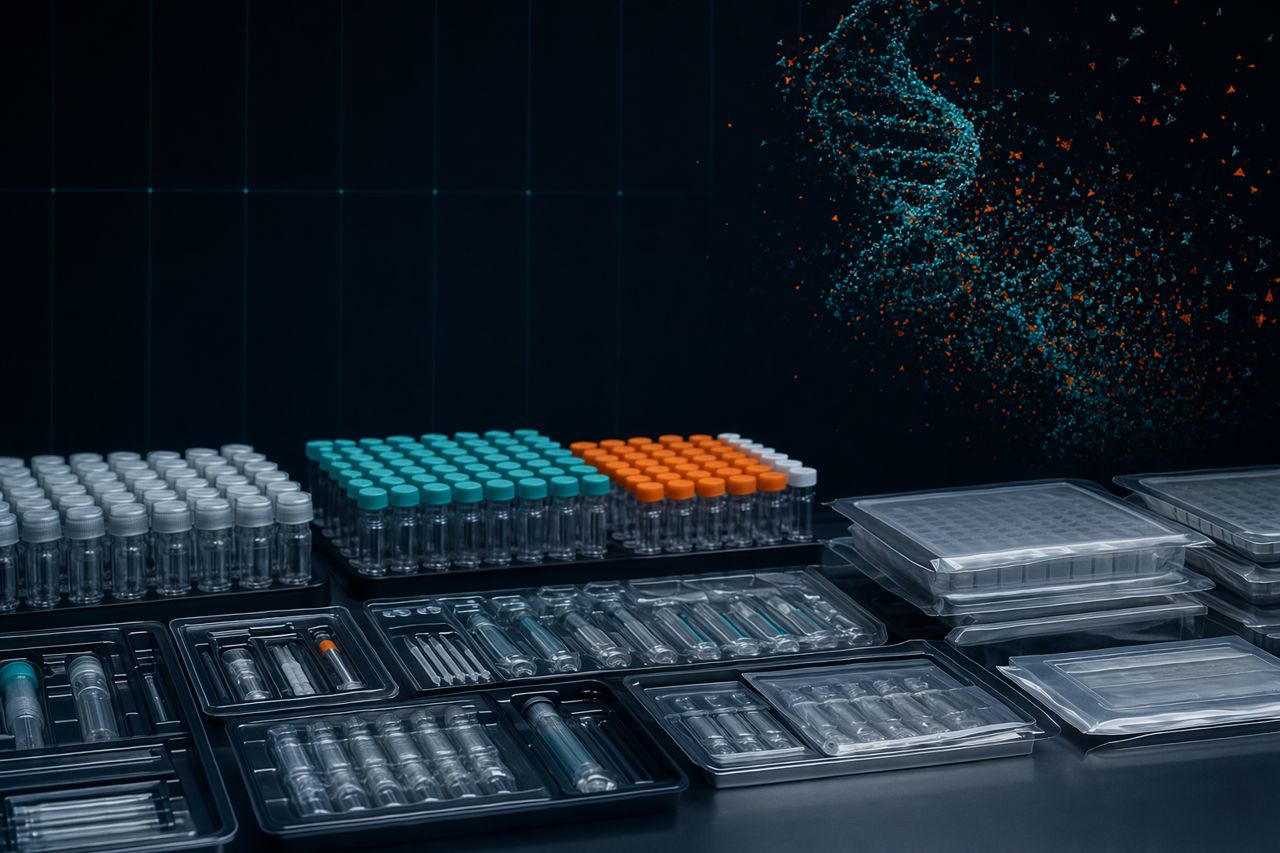
Nuclease for reagent and kit manufacturing workflows
Nuclease Enzyme Solutions supplies bulk nuclease for manufacturing teams that need controlled DNA and RNA degradation as part of reagent production, kit component preparation, and research-adjacent processing workflows.
Wholesale and bulk nuclease for reagent and kit manufacturers and distributors. Request a quote with the component you make, the quantity and the delivery country. Grade, pack size, price and lead time are quoted per order.
In these environments, nuclease is not just a lab additive. It is a process tool used to reduce residual nucleic acids, improve solution clarity, protect downstream compatibility, and support repeatable lot outcomes.
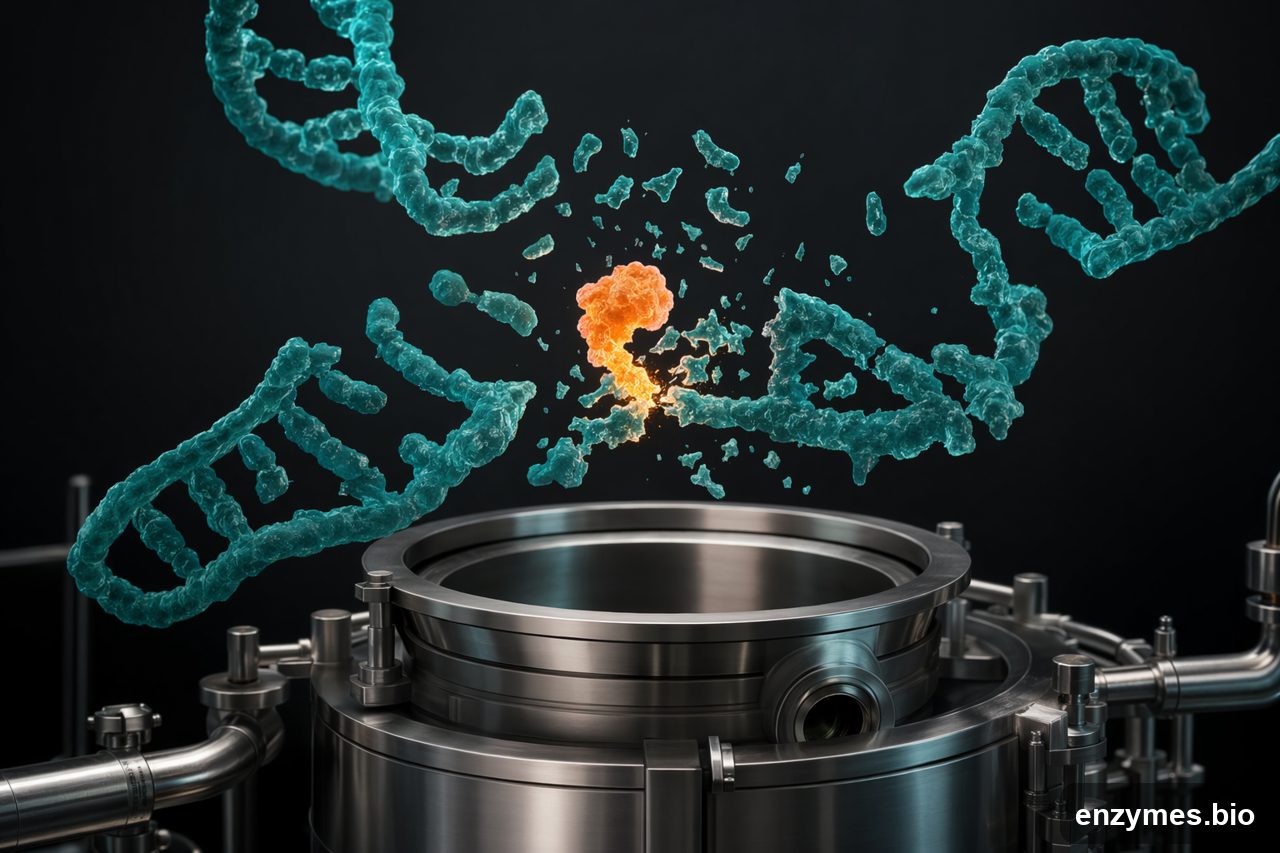
Whether your workflow involves lysate clarification, recombinant production inputs, sample preparation reagents, diagnostic-adjacent kit components, or cleanup steps before formulation, nuclease is specified for controlled integration into production-scale operations.
Where nuclease fits in kit and reagent production
Nuclease is commonly evaluated where unwanted DNA or RNA creates viscosity, haze, carryover risk, filtration drag, or downstream interference.
Typical use points include:
- Clarification of lysates and biological process streams
- Reduction of host-cell nucleic acid burden in production inputs
- Viscosity reduction before filtration or separation
- Cleanup of enzyme, protein, or reagent intermediates
- Preparation of processing aids for research-use workflows
- Control of nucleic acid background in kit component manufacturing
- Support of cleaner formulation and filling operations
The objective is practical: convert long, process-disruptive nucleic acid strands into smaller fragments that are easier to manage through the rest of the manufacturing train.
Operational value for B2B manufacturers
Lower viscosity and easier handling
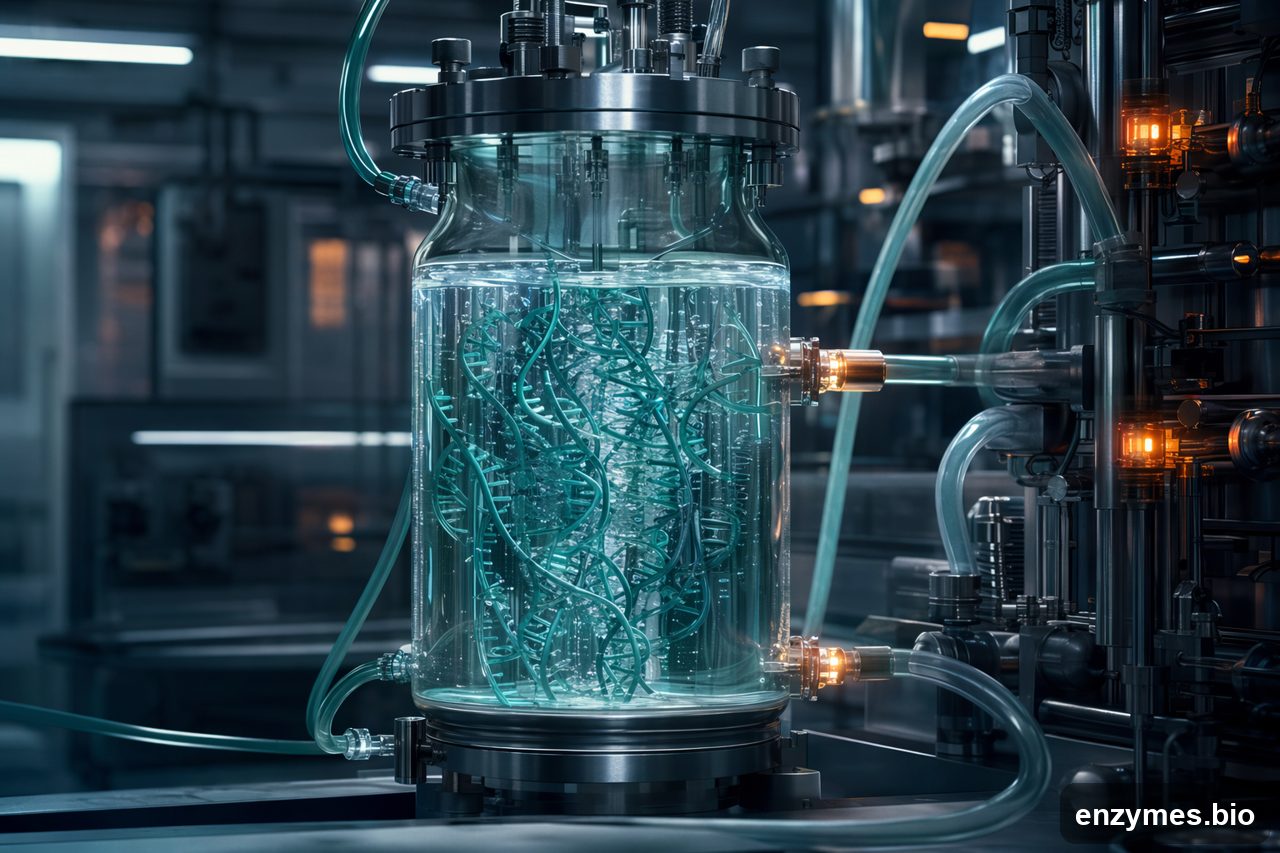
High nucleic acid content can make process streams difficult to mix, transfer, filter, and formulate. Controlled nuclease treatment can reduce strand-driven viscosity and improve handling consistency across batch sizes.

Improved process clarity
Residual DNA and RNA can contribute to haze, particulate load, and analytical variability. Nuclease treatment supports cleaner intermediate streams and can help simplify subsequent clarification or polishing steps.
Better downstream compatibility
Kit components and reagent intermediates often need to perform reliably in sensitive workflows. Reducing unwanted nucleic acid background can help minimize interference risk and improve compatibility with downstream enzymes, buffers, substrates, and detection chemistries.
More predictable production lots
For procurement and manufacturing teams, the key question is repeatability. Nuclease Enzyme Solutions supplies bulk nuclease for planned production campaigns, on the same grade from order to order, and we tell you which documents are available for that grade.
Built for controlled manufacturing integration
Nuclease Enzyme Solutions supports nuclease use as a defined process input, not an informal bench reagent. Our technical conversation focuses on how the enzyme will be used in your process, including:
- Target substrate: DNA, RNA, or mixed nucleic acid load
- Process stream composition and expected inhibitors
- Temperature and pH operating window
- Salt, detergent, protein, and buffer compatibility needs
- Contact time and mixing conditions
- Required downstream removal, inactivation, or compatibility strategy
- Packaging format, batch size, and replenishment cadence
- Documentation requirements for purchasing, quality, and production release
Send these points with your inquiry and we match the grade to your workflow.
Common reagent and kit manufacturing scenarios
Protein and enzyme reagent preparation
Nuclease can be used during upstream or intermediate cleanup to reduce nucleic acid load associated with cell-derived production streams. This may improve flow behavior and simplify clarification before stabilization, blending, or fill-finish operations.
Sample preparation kit components
In manufacturing environments where background nucleic acids are undesirable, nuclease may be used as a controlled processing aid to reduce carryover before formulation of kit components.
Research-use processing aids
Bulk nuclease can support production of research-adjacent inputs where DNA or RNA degradation is required before packaging, blending, or use in a larger workflow.
High-viscosity lysate management
When lysates are strand-rich and difficult to process, nuclease treatment may reduce drag on filtration, centrifugation, or transfer steps, improving operational control.
Procurement considerations
Buying nuclease for reagent or kit manufacturing is different from ordering a small research vial. Your purchasing decision should account for manufacturing continuity, documentation, and fit with the process environment.
Key points to define before sourcing:
- Intended use as processing aid, production input, or formulated component
- Required scale: pilot, validation, routine production, or campaign-based supply
- Packaging preferences for handling and storage
- Preferred concentration or formulation constraints
- Shipping and storage expectations
- Documentation package required by your quality system
- Forecasted demand and acceptable lead time
- Change notification expectations for recurring supply
Nuclease Enzyme Solutions is built for this type of conversation: technical enough for process owners, clear enough for procurement, and disciplined enough for quality teams.
What Nuclease Enzyme Solutions can support
For manufacturers and resellers, we handle:
- Bulk nuclease supply for manufacturing workflows
- Application-specific specification discussions
- Which documents are available for each grade
- Packaging options suitable for production handling
- Supply planning for pilot, scale-up, and recurring production
- Technical review of process fit before quotation
Request pricing for bulk nuclease
Wholesale and bulk supply for reagent and kit makers. Send the component you make, the step where nuclease goes in, the quantity per order or per year and the delivery country.
We reply with the grade that fits, pack options, and a price and lead time for your quantity.